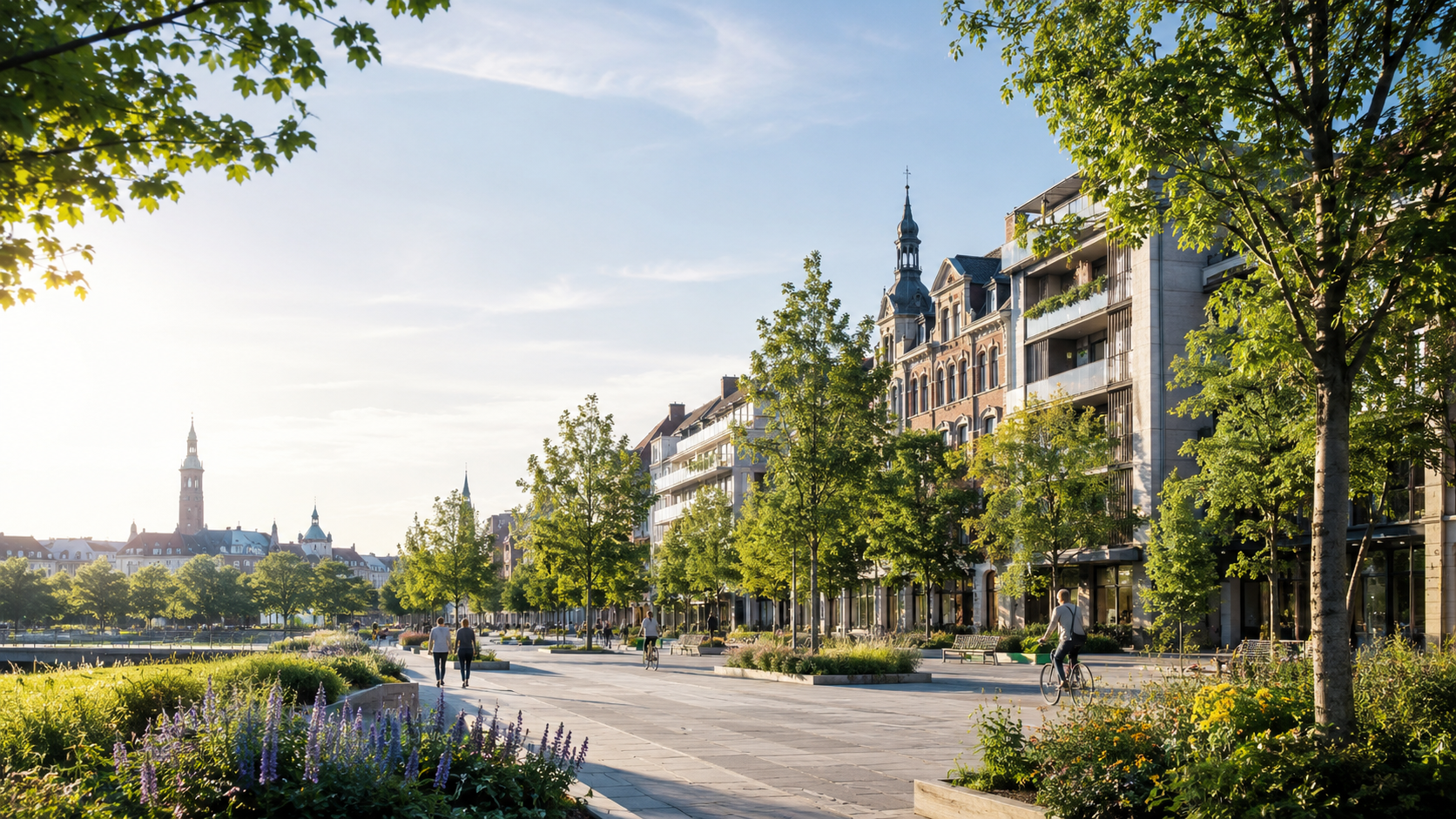
Green urban living lab street

Field Network

Cities & Living Labs

European demonstration sites connecting local urban challenges with shared methods for observation, modelling and applied learning.

5 Partner Cities Living Lab Evidence Scenario Comparison

Urban Testbeds

Living lab overview

Each site contributes a different spatial condition, climate pressure and implementation question.
Gothenburg living lab
Sweden

Gothenburg

Blue-green corridors and wind comfort

Scenario modelling

Harbour climate Green corridors Wind exposure
Aarhus living lab
Denmark

Aarhus

Urban squares, shade patterns and thermal comfort

Field calibration
Public squares Shade coverage Heat stress
Gdansk living lab
Poland

Gdansk

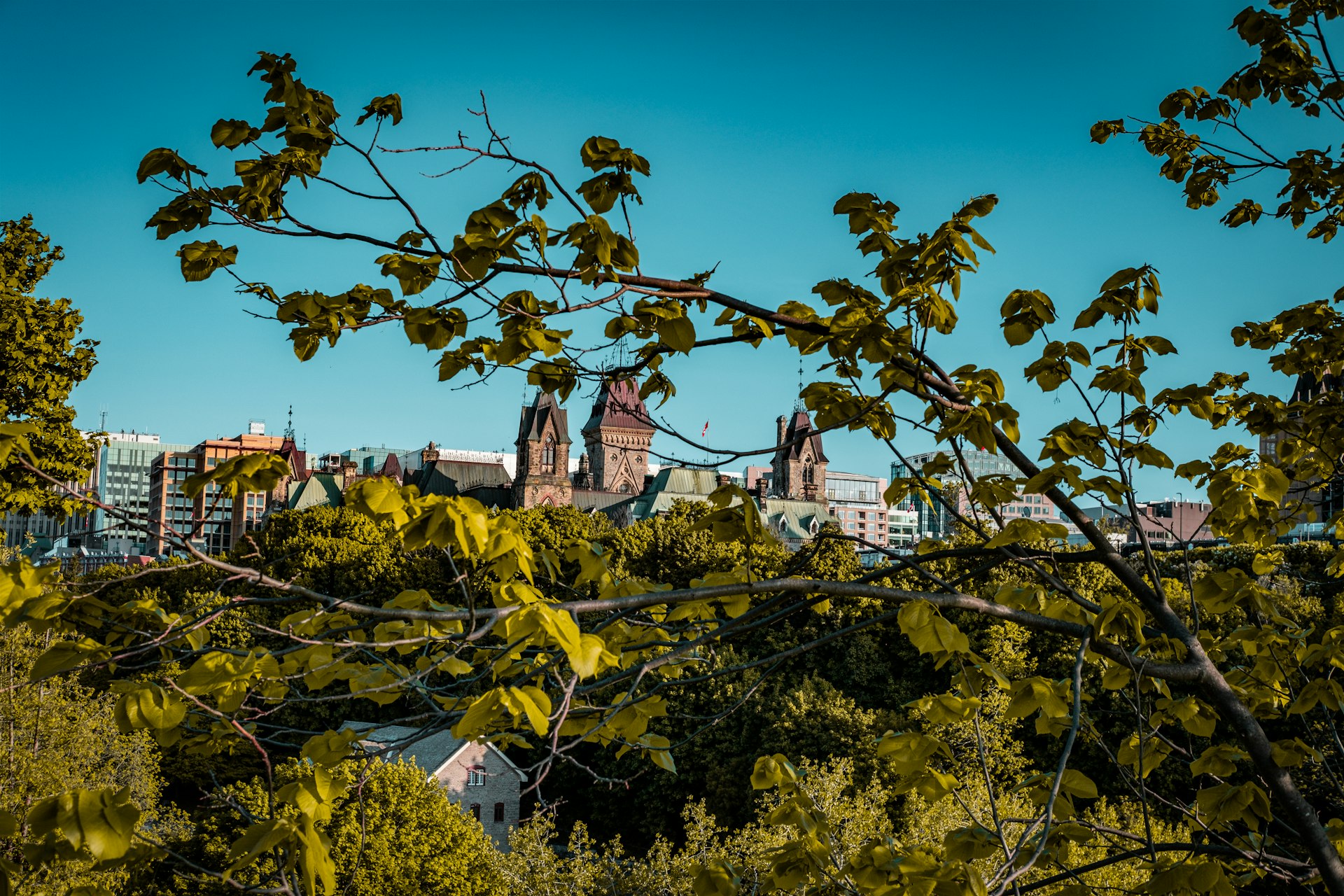
Street tree structure and city-scale data integration
Knowledge transfer
Street corridors Tree inventory LiDAR inputs
Antwerp living lab
Belgium

Antwerp

Tree canopy corridors and air quality interactions

Field studies
Canopy corridors PM2.5 Pedestrian comfort
Florence living lab
Italy

Florence

Historic urban fabric and heat mitigation strategies

Baseline analysis
Historic streets Heat mitigation Planning guidance

Spatial Conditions

What the living labs compare

The network is built around repeatable urban situations that can be studied across different European contexts.

Street Corridors

Tree-lined streets are compared across geometry, canopy structure, airflow and exposure conditions.

Squares & Plazas

Open public spaces are assessed for shade, material performance, thermal stress and everyday use.

Green Boulevards

Continuous green infrastructure is explored for cooling, stormwater, biodiversity and comfort benefits.

From Local Context to Shared Knowledge

How living lab evidence flows through the platform

1Field observations 2Methods & protocols 3Scenarios 4Knowledge cards